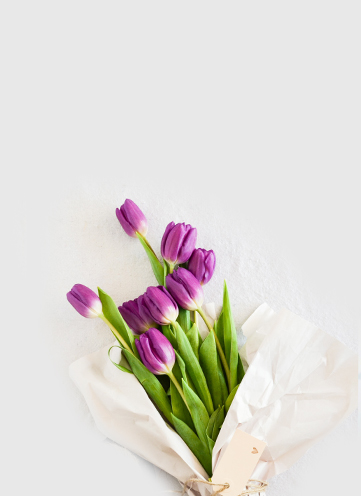
How to Choose Seasonal Flowers for [AREA] Events in 2024
Posted on 13/11/2025

How to Choose Seasonal Flowers for Events in 2024: The Complete Expert Guide
If you've ever walked into a venue and felt your shoulders drop because the flowers were just right--colour, scent, texture, everything--then you already know why seasonal flower choices matter. This guide unpacks exactly how to choose seasonal flowers for events in 2024 so your wedding, gala, launch, or fundraiser looks gorgeous, smells divine, and stays on budget. We'll mix current trends (hello, meadow-style arrangements and foam-free mechanics) with practical steps, UK-focused compliance notes, and tried-and-true florist wisdom. And we'll keep it human. Because, to be fair, choosing blooms shouldn't feel like rocket science.
One quick moment from the studio to set the scene: It was raining hard outside that day, our kettles whistled, and a crate of British-grown sweet peas arrived. The scent--soft, nostalgic--filled the room. Our client changed her entire palette on the spot. You'll see why the local and seasonal route often does that to people.

Table of Contents
- Why This Topic Matters
- Key Benefits
- Step-by-Step Guidance
- Expert Tips
- Common Mistakes to Avoid
- Case Study or Real-World Example
- Tools, Resources & Recommendations
- Law, Compliance or Industry Standards (UK-focused)
- Checklist
- Conclusion with CTA
- FAQ
Why This Topic Matters
Flowers set the emotional tone of an event. In 2024, trends lean into seasonality, sustainability, and sensory richness. Choosing in-season blooms delivers better quality, more sustainable sourcing, and a stronger visual story. Importantly, it also stretches your budget--useful when costs have been climbing across hospitality and events.
What does "seasonal" actually mean? In simple terms, it's using flowers at the time of year they naturally flourish, locally or regionally. For the UK, that might mean ranunculus and anemones in late winter to spring; sweet peas, garden roses, and delphiniums in summer; dahlias and amaranthus in autumn; and hellebores, eucalyptus, and winter berries in colder months.
Another reason this topic matters: the experience. Seasonal flowers carry a distinct scent and freshness you don't get from long-haul substitutes. Picture stepping into a June marquee and catching that soft, green perfume of British peonies. Or an October banquet framed with auburn foliage and cafe au lait dahlias. It's not just pretty; it's immersive.
And there's this human moment we see all the time: a guest leans in, breathes in a rose, and smiles because it smells like their nan's garden. You can't fake that.
Key Benefits
- Superior freshness & quality: In-season blooms are cut closer to the event date and arrive perkier, brighter, and more resilient.
- Cost-efficiency: When flowers are abundant, prices stabilise. Seasonal choices are typically more budget-friendly, letting you scale impact without overspending.
- Sustainability: Reduced transport and chilled storage can lower the footprint. Some studies even show field-grown imports can outperform heated greenhouses environmentally--nuance matters, and seasonal selection helps.
- Design cohesion: Seasonal palettes naturally harmonise with weather, light, and available foliage--your event looks like it belongs to that moment in time.
- Trend alignment for 2024: Foam-free structures, meadow-style arrangements, bud-vase clusters, and textured greenery shine when you use what's in season.
- Reliability: Seasonal stock is less prone to last-minute substitutions due to supply gaps.
Honestly, choosing what nature's already offering is simpler, smarter, calmer. Clean, clear, calm. That's the goal.
Step-by-Step Guidance
This is your practical, no-fuss plan for how to choose seasonal flowers for events in 2024--from discovery to delivery.
1) Define Your Event Objectives
- Purpose: Wedding, launch, fundraiser, awards? Each calls for different scale and tone.
- Mood & message: Modern minimal, romantic garden, wild meadow, or luxe classic?
- Functional needs: Photo backdrops, stage framing, table height for sightlines, fragrance limits (for allergy-sensitive spaces), and longevity for multi-day conferences.
Micro moment: A client once told us, "We want cosy elegance, but no scent near the podium." Simple ask, easy fix: unscented focal blooms at the stage, scented clusters by entryways.
2) Fix the Budget (With Wiggle Room)
- Set a clear ceiling but keep 10-15% contingency for weather-related swaps or scale-ups.
- Prioritise impact zones: Entry, bar, stage, and tables (eye-line) deliver the best return on spend.
- Allocate by percentage: 40-50% tables, 20-30% feature pieces, 10-15% ceremony or breakout spaces, 10% contingency, 5-10% delivery and labour.
To be fair, you'll want to splurge on everything. Resist. Target the spots everyone sees twice.
3) Choose a Seasonal Palette by Month
Here's a UK-focused snapshot of what typically sings in each season. Weather can nudge timings, but it's a solid compass.
- Late Winter-Early Spring (Jan-Mar): Ranunculus, anemones, narcissi, tulips, paperwhites, hellebores, viburnum. Fresh, playful colour. Think crisp whites, sherbets, inky purples.
- Spring-Early Summer (Apr-Jun): Tulips, peonies (peak May-June), sweet peas, foxgloves, lupins, garden roses. Dreamy textures, signature scents.
- Summer (Jul-Aug): Garden roses, delphiniums, cosmos, scabiosa, hydrangea, herbs (mint, rosemary), achillea. Abundance, fragrance, airy movement.
- Late Summer-Autumn (Sept-Oct): Dahlias, chrysanthemums, amaranthus, rudbeckia, zinnias, grasses, berries. Deep palettes, velvety textures.
- Late Autumn-Winter (Nov-Dec): Ilex berries, skimmia, eucalyptus, pine, ilex, winter roses (import supporting), orchids. Structural greens and festive accents.
Tip: If you love peonies but your date is August, consider garden roses or dahlias for a similar romance and generous petal count.
4) Align with 2024 Design Trends (Without Being Trendy)
- Meadow-style & ikebana influences: Airy spacing, negative space, and natural movement.
- Foam-free mechanics: Chicken wire, pin frogs, moss--more sustainable and often better for stem health.
- Bud-vase storylines: Repetitions of small vases across long tables allow seasonal stems to shine individually.
- Textural greenery: Seeded eucalyptus, grasses, herbs--simple, scent-forward, affordable.
- Colour of the year nods: Soft peaches (a nod to 2024's peachy tones), balanced with moss greens and gentle creams. Not mandatory--just pleasing.
Quick aside: A single stem in a clear bud vase, lit softly, can be more elegant than a huge mixed arrangement crammed with off-season imports. Less can be, well, more.
5) Confirm Venue Constraints
- Fire rules: Some venues restrict open flames; use LED candles or hurricane vases.
- Installation access: Lifts, loading bays, set-up windows, and overnight storage impact what's feasible.
- Water & drips: Protect surfaces; some listed buildings require matting or trays.
- Rigging & ceilings: Weight limits and attachment policies matter for hanging installations.
Ever planned a floating floral cloud and learned the ceiling couldn't take it? Yeah, we've all been there.
6) Source Responsibly (Local, Fair, or Both)
- Local growers (UK): New Covent Garden Market (London) or regional farms for British-grown stems when in season.
- Certified imports: Fairtrade or ethically audited suppliers for off-season or specialty items.
- Conditioning & cold chain: Prioritise vendors with proper hydration and temperature control--keeps stems crisp.
Truth be told, a balanced approach often wins: British-grown where possible, supplemented by certified imports to fill gaps.
7) Lock Your Recipe and Substitutions
- Primary blooms: 2-3 hero flowers aligned with seasonality (e.g., peony or garden rose, plus a textural star).
- Secondary stems: Fillers and transition flowers (e.g., scabiosa, spray roses, larkspur).
- Foliage & texture: Eucalyptus, olive, grasses, or herbs to add structure.
- Substitutions list: At least two swaps for each hero (e.g., peony -> garden rose or double tulip).
Note: Always write an agreed substitution policy into your event plan. Weather swings happen.
8) Plan Logistics & Timing
- Lead times: Book growers early for popular weeks (May-July wedding peak; December festive peak).
- Delivery & prep: Most stems need 12-24 hours to drink after arrival. Build this into your schedule.
- Installation sequence: Large structures first; tables last. Buttonholes/corsages chilled until just before showtime.
- Aftercare & repurposing: Move ceremony flowers to reception, gift centrepieces to guests, or partner with a charity for donation.
A small sensory detail: we condition roses at dawn when the studio is quiet--petals open slowly as the day brightens. It's lovely, and it works.
9) Test a Mini Mock-Up
Do a micro trial: one centrepiece and one bud-vase cluster using seasonal stems. Check scale, height, and colour under your venue's lighting. You'll catch surprises--good ones and the fixable ones.
10) Final Walkthrough and Acceptance
On the day, do a swift walkthrough with your florist or coordinator. Adjust placements, trim any rogue stems, refresh water. Five minutes well spent. The difference shows in photos.
Expert Tips
- Respect fragrance zones: Avoid strong scents near food service or tight seating. Use scented clusters at entrances and lounges instead.
- Work with natural light: Warm whites read cream in candlelight; blush can look peachy. Test swatches in the venue at the right time of day.
- Mix stem heights: A rhythm of low, medium, and a few taller gestures feels alive--like a garden.
- Protect delicate heads: Ranunculus and peonies bruise easily; request extra stems or build in spares.
- Choose hardy stars for heat: In summer, zinnias, chrysanthemums, orchids, sedum can handle warmth better than others.
- Use reusable mechanics: Chicken wire, pin frogs, and sturdy vessels reduce waste and often improve stem stability.
- Consider edible flowers carefully: If using on canapes or cakes, ensure they're food-safe from accredited suppliers (see FSA guidance in UK).
- Photographer alignment: Share your palette early. Photographers can plan lenses and lighting to flatter your colours.
And one humble note: a few stems, artfully placed, can say more than a crowded bouquet. Space is elegant.
Common Mistakes to Avoid
- Chasing off-season must-haves: It drives cost up and quality down. There's always a seasonal alternative that delivers the same emotion.
- Ignoring venue rules: No flames, no hanging points, or no water on antique tables--check early to avoid last-minute redesigns.
- Skipping conditioning time: Flowers need to drink. Rushing arrivals to installation is a recipe for droop.
- Overdoing scent: Heavy fragrance can overwhelm guests in enclosed spaces.
- Not planning repurposing: Ceremony florals can easily be moved to reception if designed with mobility in mind.
- Uniform heights on long tables: It flattens the landscape. Vary for depth and interest.
- Forgetting seasonal foliage: Greens are budget-friendly and elevate everything--don't neglect them.
- Underestimating heat or cold: Outdoor events need shade or misting options in summer; winter needs wind protection during load-in.
Ever tried clearing a room and found yourself keeping everything "just in case"? Same with flower recipes. Edit ruthlessly. Better design, lower cost.
Case Study or Real-World Example
Client: Summer wedding in the Cotswolds, mid-June. 120 guests. Budget: ?4,500 for florals.
Brief: Soft romance, no heavy scent at tables, sustainable approach, foam-free, and a nod to 2024's peachy tones without going full pastel.
Seasonal palette: Peonies, garden roses, foxgloves, sweet peas, scabiosa, larkspur with eucalyptus and grasses. Feature peach-cream tones warmed by soft apricot, anchored with plenty of fresh greens.
Design plan:
- Foam-free arch for the ceremony using chicken wire and water sources hidden in the structure.
- Bud-vase clusters along trestle tables (mix of single stems and miniature bouquets for airy movement).
- Statement entry arrangement to set scent at the door--keeping tables more neutral on fragrance.
Results: The couple walked into the marquee just before guests arrived--sunlight spilled across the grass, catching the foxglove bells. They stood still for a second. Happy tears. Later, we shifted the ceremony arch behind the band for evening photos, doubling impact without extra cost.
Savings: Using seasonal peonies at peak reduced the focal bloom cost by ~18% vs out-of-window ordering. Bud-vase strategy lowered labour and mechanics, saving another ~10%.
Tools, Resources & Recommendations
- Seasonality Calendars: RHS resources, UK grower collectives, and market sheets from New Covent Garden Market help track peak weeks.
- Weather & Logistics: Met Office app for temperature and wind on install days; Google Sheets for timeline and inventory.
- Design Planning: Colour swatches or small paint chips; a simple shot list for your photographer to capture florals at their best.
- Mechanics: Chicken wire, reusable vessels, pin frogs (ikebana-style); floral tape and waterproof trays.
- Hydration & Care: Clean buckets, flower food complying with COSHH where applicable, sharp snips, and cool storage.
- Sourcing: UK growers (where seasonal), New Covent Garden Market for breadth, and ethical importers for specialty items.
- Repurposing & Donation: Liaise with local hospitals or care homes; ensure policies allow and designs are manageable for transport.
One more practical thing: label every bucket and crate. Date, variety, intended arrangement. On a busy morning, you'll thank yourself.
Law, Compliance or Industry Standards (UK-focused if applicable)
While florals feel romantic, events are still operational projects. A quick UK-focused compliance sweep keeps you safe and professional.
- Plant Health & Import Rules: Flowers entering Great Britain may require inspections and plant health documentation. Professional importers use IPAFFS (Import of Products, Animals, Food and Feed System) and comply with APHA/DEFRA guidance. Your florist/wholesaler should manage this; ask for assurance.
- Waste & Sustainability: The UK's waste regulations encourage reduction, reuse, and responsible disposal. Foam-free mechanics, reusable vessels, and composting green waste all align with best practice.
- Venue Safety: Health & Safety requirements cover ladders, rigging, and water management. Installers should have risk assessments and method statements for large builds or elevated work.
- COSHH (Control of Substances Hazardous to Health): Flower food and cleaning agents must be handled per safety data sheets and stored securely.
- Food Safety (FSA): If using edible flowers on food or cakes, they must be food-grade and traceable to approved suppliers. Never substitute decorative (non-edible) blooms on edible items.
- Venue Contracts: Many UK venues restrict naked flames, hanging points, and fixings on heritage surfaces. Always secure permissions for installations and open water.
- Ethical Sourcing: Ask your florist about Fairtrade, worker welfare audits, and water stewardship for imports. It's increasingly expected by corporate ESG teams.
None of this should feel scary. It's basic professionalism--and your florist should guide you through it.

Checklist
Use this quick list to stay on track when deciding how to choose seasonal flowers for events in 2024:
- Define event goals, mood, and must-have functions.
- Set budget with a 10-15% contingency.
- Select seasonal palette by month and venue light.
- Confirm venue rules (flames, rigging, water, timings).
- Choose responsible sourcing (local/ethical imports).
- Agree substitutions for every hero stem.
- Plan logistics: conditioning time, delivery window, install sequence.
- Run a mini mock-up and adjust heights/colours.
- Prep risk assessments for large builds; secure permissions.
- Plan repurposing and end-of-night breakdown.
Pin it to the fridge. Or the studio door. Both work.
Conclusion with CTA
Choosing seasonal flowers for events in 2024 isn't just smarter--it's more beautiful, more sustainable, and more you. When your flowers match the weather, the light, and the mood of the season, everything feels coherent. Guests notice, even if they can't quite put it into words. You'll notice too. The room breathes.
Whether it's a London warehouse with towering delphiniums or a countryside barn full of late-summer dahlias, seasonality gives you the best of nature at the exact right moment. That feeling when you walk in and think, yes--this is it. That's the goal.
Get a free quote today and see how much you can save.
And hey, it's okay to change your mind mid-process. Flowers are forgiving. So are we.
FAQ
What does "seasonal" mean in practical terms?
Seasonal means using flowers when they naturally bloom in your region or nearby. In practice, it means better freshness, stronger stems, and often lower prices. It also supports sustainable design trends popular in 2024.
Can I still have my favourite flower if it's out of season?
Usually yes, but it may be costly or less reliable. A smart approach is choosing a seasonal alternative that mirrors the look or feel. For instance, swap peonies for garden roses or double tulips in off months.
How far in advance should I book my florist for a 2024 event?
For weddings and large events, 6-12 months is ideal, especially for peak dates (May-July, December). Smaller events can be 4-8 weeks, but earlier is always safer for seasonal planning.
Are British-grown flowers always the lowest carbon option?
Not always. UK-grown seasonal stems can be excellent, but studies show some field-grown imports can outperform heated greenhouses in emissions. The takeaway: seasonal + responsible sourcing is the sweet spot.
How do I avoid overpowering scent at my event?
Place strongly fragrant flowers at entrances, lounges, and photo areas, not on dining tables or dense seating. Choose lightly scented or unscented stems for table centres.
What's the best way to make flowers last through a long event day?
Proper conditioning (12-24 hours hydration), cool storage pre-install, clean water, cut stems at an angle, and protect from direct sun or drafts. Ask your florist to bring spares for delicate varieties.
What if my venue doesn't allow hanging installations?
No problem. Use tall floor-standing pieces, freestanding arches, or clustered bud vases for height and theatre. Foam-free ground meadows can be incredibly impactful and venue-friendly.
How do I manage costs without losing impact?
Focus spend on high-visibility zones; use bud-vase clusters and seasonal foliage; choose fewer varieties in larger quantities for pricing efficiency. Repurpose ceremony pieces at the reception.
Is floral foam banned in the UK?
Traditional floral foam isn't outright banned, but many venues and florists are moving away from it due to sustainability concerns. Foam-free methods are 2024 best practice and often yield better stem health.
Can I donate flowers after the event?
Yes. Coordinate with your florist and a local charity or care home; designs may need to be simplified for easy transport. It's a beautiful way to extend the joy.
How do I choose colours that photograph well?
Test your palette under venue lighting. Warm evening light can shift colours toward peach or gold. Share your scheme with your photographer so they can plan accordingly.
What's a realistic floral budget for a 120-guest wedding in 2024?
It varies by region and design complexity, but a common range is ?3,000-?6,000. Prioritise impact areas, choose in-season stems, and plan foam-free mechanics to optimise spend.
Can I mix fresh and dried flowers?
Absolutely. It's a chic 2024 approach. Use dried elements sparingly for texture and longevity--think grasses, seed heads--balanced with fresh seasonal blooms for softness and scent.
What's the simplest centrepiece strategy that still looks high-end?
A trio of bud vases with seasonal stems, a few tea lights, and a small foliage runner. Elegant, adaptable, and friendly to your budget and venue rules.
Last little thought: choose flowers that feel like your date, your place, your people. When they do, the room feels like home--just dressed up a bit.
Latest Posts
Inside Look: Decorating [LANDMARK] with Seasonal Blooms
Best Flowers for Balcony Gardens in [NEIGHBOURHOOD] [POSTCODE]
How to Choose Seasonal Flowers for [AREA] Events in 2024