Wedding flowers for Walnuts Centre events in Orpington
Posted on 24/09/2026
Planning Wedding flowers for Walnuts Centre events in Orpington can feel wonderfully exciting and slightly overwhelming at the same time. You want flowers that look elegant in the room, suit the couple, and behave properly on the day too - no drooping roses by the speeches, no awkwardly tall arrangements blocking a guest's view. A good wedding floral plan makes the whole event feel intentional, polished, and personal.
Walnuts Centre events in Orpington often need flowers that are practical as well as beautiful. That might mean a bridal bouquet that photographs well under indoor lighting, table arrangements that leave space for glasses and menus, or entrance flowers that make a strong first impression without taking over the venue. In this guide, you'll find a clear, local, real-world approach to choosing and planning wedding flowers that work in a venue setting like this. Let's make it easier.
To help you move from ideas to action, this article covers style choices, planning steps, common mistakes, and a few sensible ways to keep the whole thing under control. Truth be told, flowers are one of the easiest parts of a wedding to overthink - and one of the best places to get the details right.
- Why it matters
- How it works
- Key benefits
- Who this is for
- Step-by-step guidance
- Expert tips
- Common mistakes
- Tools and resources
- Law, compliance, and best practice
- Options and comparison
- Real-world example
- Practical checklist
- Conclusion
- Frequently asked questions
Why Wedding flowers for Walnuts Centre events in Orpington Matters
Flowers do more than fill space. At a wedding, they quietly set the tone before anyone has said a word. When guests walk into a venue like Walnuts Centre, they notice colour, scent, shape, and balance almost immediately. That first impression is doing a lot of work. It can make the room feel romantic, calm, seasonal, or celebratory - sometimes all at once.
For events in Orpington, there's also a practical side. A venue space usually has fixed tables, lighting, pathways, and a schedule that does not bend for your florals. So the arrangements need to look good in the room they're actually going to live in, not just in a Pinterest-style fantasy. That means thinking about height, scale, delivery timing, and what the flowers will look like after a few hours indoors.
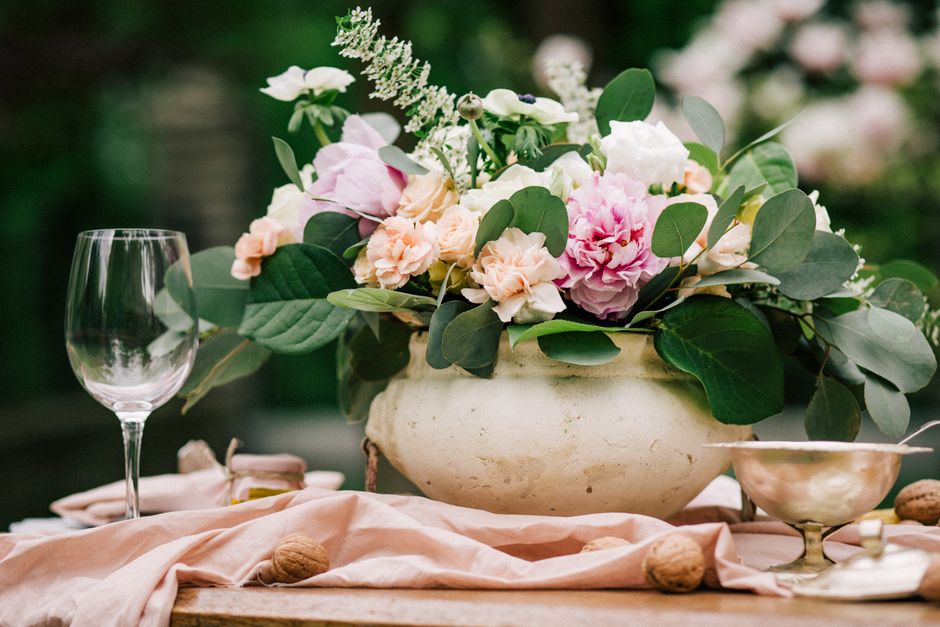
It's also worth saying that wedding flowers are often one of the easiest ways to reflect personality. A classic white palette gives a clean, graceful feel. Soft pinks and peaches can make the space feel warm and romantic. Richer jewel tones bring drama and depth. You do not need a huge display to make an impact. You just need the right choices in the right places.
And if the venue is hosting a full event day, flowers can help unify everything: the ceremony area, the top table, the guest tables, the signing table, and the cake display. Small touch, big effect. That's the lovely part.
How Wedding flowers for Walnuts Centre events in Orpington Works
In practice, wedding flowers for a venue event usually start with three things: the space, the schedule, and the style. The florist needs to understand where each arrangement will sit, how long it needs to last, and what kind of mood the couple wants to create. A good brief saves a lot of back-and-forth later on.
For a venue event, the flower plan often includes:
- the bridal bouquet
- bridesmaid bouquets
- buttonholes and corsages
- ceremony or entrance arrangements
- table centrepieces
- top table flowers
- special pieces for photos or key moments
That doesn't mean you need all of them. Not at all. Some weddings use a few carefully chosen statement pieces. Others build the whole room with smaller, repeated floral elements. The right approach depends on budget, guest count, and the shape of the venue space.
In many cases, the process runs like this:
- Choose a colour palette and overall feel.
- Work out which areas of the venue need flowers.
- Pick flower varieties and arrangement styles that suit the season.
- Confirm sizes, quantities, and delivery timing.
- Plan set-up, placement, and any movement between spaces.
- Check care requirements so the flowers stay fresh through the event.
If you're ordering through a florist, browse wedding-specific ranges such as wedding flowers, bridal bouquets, and table arrangements so you can see how different pieces work together. That makes the planning much less vague, which is handy when you're trying to make decisions with a dozen other wedding tasks on the go.
There's also a logistics element. Flowers may need careful handling on arrival, especially in warmer weather or during busy event days. A florist familiar with delivery and timing in the local area can make life easier, because timing really does matter. A bouquet is not much help if it arrives after the photos. Mildly obvious, but worth saying.
Key Benefits and Practical Advantages
The right wedding flowers do more than look pretty. They support the whole event experience in ways that are easy to underestimate before the day arrives.
1. They create a cohesive look
Flowers tie together different parts of the wedding. The bouquet, table styling, and ceremony decor can all follow the same visual language. That cohesion makes the event feel carefully planned rather than assembled bit by bit.
2. They make photos look better
Professional photographs and phone snaps both benefit from flowers that add depth, contrast, and colour. A well-chosen bouquet can brighten a portrait. A tasteful centrepiece can soften an otherwise plain table setup. Good floral design is quietly photogenic.
3. They help define the mood
Loose, garden-style arrangements feel relaxed and natural. Tight, structured designs feel polished and formal. Romantic roses, elegant lilies, soft lisianthus, or mixed seasonal flowers all send different signals. The flowers are doing emotional work, even when nobody is paying them much attention.
4. They can suit different budgets
Wedding floristry is flexible. A couple can create impact with a few premium arrangements or spread their spend across smaller pieces. If you need to keep costs sensible, a florist can often suggest ways to prioritise where the most visible flowers should go. The bouquet and top table often give the best return on visual impact.
5. They make the venue feel personal
Walnuts Centre events can feel unique when the flowers echo the couple's story, favourite colours, or seasonal preferences. Maybe it's white roses and orchids for a classic look. Maybe it's mixed pastels with a few bolder touches. Either way, it should feel like the couple's day, not a template.
Expert summary: the best wedding flowers for a venue event are not always the biggest or the most expensive. They're the ones that suit the room, hold up well through the day, and support the feeling you want guests to remember.
Who This Is For and When It Makes Sense
This topic matters most if you're planning a wedding at Walnuts Centre in Orpington and want the flowers to feel coordinated, polished, and easy to manage. It's especially useful if you're at the stage where the venue is booked but the styling still feels a bit fuzzy. That's a common place to be, by the way. You're not behind; you're just in the middle of the planning maze.
It makes sense for:
- couples planning a local wedding or civil celebration
- families helping with the event styling
- brides and grooms who want a strong floral theme without overcomplication
- anyone looking for floral options that suit indoor venue spaces
- people comparing bouquet-only plans with full venue dressing
It also makes sense if you care about practical details, not just the look. Maybe you want flowers that travel well, hold up in photos, or can be reused between the ceremony and reception. Or maybe you're trying to decide whether to spend more on bridal flowers or table centres. Those are normal questions, and they're the right ones to ask.
If you like a more elegant or premium feel, browsing styles such as luxury flowers or best sellers can help you compare what feels right. And if you're after something more affordable, the budget approach can still look lovely if the choices are made carefully. Budget doesn't mean basic. Not necessarily.
Step-by-Step Guidance
Here's a simple way to plan wedding flowers for a Walnuts Centre event without making it feel like a second job.
Step 1: Start with the venue layout
Think about where guests will actually see the flowers. Entrance, ceremony point, dining tables, top table, cake area, and photo moments are the usual candidates. Walk through the venue in your mind. Better yet, sketch the room. Even a rough plan helps.
Step 2: Decide the floral priority list
Not every area needs flowers at the same level. Your priority list might be:
- bridal bouquet
- top table arrangement
- guest table centres
- buttonholes
- entrance display
If the budget is tight, this list gives you something solid to work from. The bouquet and the most visible room pieces usually deserve priority.
Step 3: Choose a style that suits the venue and season
For indoor venue events, wedding flowers often work best when they are visually clear from a distance. White and green is a safe classic. Soft pinks, lilacs, and peaches create warmth. Strong reds or mixed colours can look beautiful if the rest of the styling is fairly simple. Seasonal flowers often perform better and feel more natural too.
Step 4: Match arrangements to function
A bouquet is for carrying and photos. A centrepiece is for conversation and table balance. A buttonhole needs to sit neatly and stay comfortable. A ceremony arrangement needs enough presence to read well from the back of the room. Each floral piece has a job. Once you start seeing them that way, decisions get easier.
Step 5: Confirm timing and setup
Ask when flowers will be delivered, who is placing them, and whether any arrangements need to be moved later in the day. This is where wedding plans can go slightly sideways if nobody owns the timing. A clear run sheet helps a lot.
Step 6: Review care and longevity
Flowers should survive the full event, not just the first half-hour. Ask how they'll be kept fresh before delivery, and whether any pieces need water, shade, or minimal handling. Good florists will guide you on this. If they sound vague, keep asking. Politely, of course.
Expert Tips for Better Results
After plenty of wedding planning conversations, a few things consistently make flowers work better in venue settings. These are the little details people often miss the first time.
Use fewer colours than you think
Too many colours can make a room feel busy, especially if the venue already has visual character. Two or three main tones usually create a more refined effect. If you want a richer look, you can add depth through flower shape and texture rather than extra colours.
Mix focal flowers with supporting blooms
A good arrangement usually needs both. Focal flowers like roses or orchids give shape and presence. Supporting flowers like lisianthus, chrysanthemums, or alstroemeria soften the edges and fill the design. The mix matters more than people realise.
Consider sightlines
Tables at a wedding are for talking, eating, and toasting. Tall arrangements can look fabulous, but only if they don't block faces across the table. If you're unsure, ask for a low design or a split-level option.
Think about fragrance carefully
Some flowers smell beautiful, but very strong scent can be a bit much in enclosed spaces. That's especially true if food is being served. Light fragrance or low-scent options are often the safer choice indoors.
Plan for transport and handling
Even the most beautiful flowers can be spoiled by rough transport. Make sure bouquets and arrangements are handled gently and kept cool. A florist who understands delivery conditions in Orpington will usually build this into the plan.
Leave room for photos
It sounds obvious, but it happens all the time: flowers are placed beautifully, and then they block the best photo backdrop. If photography matters, tell the florist which areas will be used for portraits. A small adjustment can save a lot of frustration later.
And one more thing. Don't let perfection take over. A wedding floral plan does not need to be museum-level precise. It needs to feel beautiful, comfortable, and right for the day. That's enough. More than enough, honestly.
Common Mistakes to Avoid
Most floral mistakes are not dramatic. They're small planning issues that show up at the wrong moment. Easy to avoid if you know what to look for.
Choosing flowers without thinking about the room
A design that looks lovely in a shop may feel too small in a big event space or too large in a compact room. Always judge flowers against the venue, not in isolation.
Ignoring table size and guest spacing
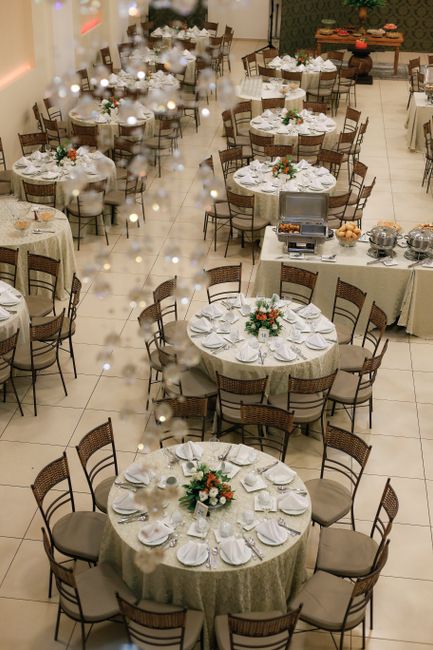
Centrepieces that are too wide make dining awkward. Guests need space for plates, drinks, and easy conversation. A beautiful table that feels cramped is not a win.
Leaving bouquets to the last minute
Bridal bouquets deserve proper attention. They need to suit the dress, the proportions of the person carrying them, and the overall colour palette. Last-minute choices often feel generic.
Forgetting about venue timing
Flowers should arrive when someone is ready to receive them and place them. If there's a tight turnaround between room setup and guest arrival, coordination matters a lot.
Overlooking backup plans
What happens if a bouquet is damaged in transit? What happens if a display needs to be moved? What if the table layout changes a little on the day? These aren't exciting questions, but they're useful ones.
Choosing style over practicality every time
It's tempting to go all-in on drama. And yes, dramatic flowers can be gorgeous. But if they don't fit the venue, the budget, or the flow of the day, they can become a headache. A calm, well-proportioned design often ages better in real life.
Tools, Resources and Recommendations
You do not need a mountain of equipment to plan wedding flowers well, but a few simple tools help keep things tidy.
- A mood board for colours, styles, and reference images
- A venue layout sketch so you can see where arrangements will sit
- A guest table count to estimate centrepiece needs
- A wedding timeline with delivery and setup windows
- A budget split showing which floral areas matter most
For product ideas, useful places to start include bridesmaid bouquets, buttonholes, and corsages. These are the pieces that often get forgotten while everyone is focused on the bridal bouquet. They matter, though. A neat buttonhole can pull the whole look together more than people expect.
If you want a coordinated look rather than building each piece separately, a collection can simplify things. For example, white wedding collections, romantic wedding collections, or the broader wedding collection ranges are useful starting points when you want a linked style across bouquets and arrangements.
If you are comparing flower types, think in terms of texture and weight too, not just colour. Roses feel timeless, lilies feel graceful, orchids feel polished, and mixed seasonal blooms often feel relaxed and full. None of these is "better" in the abstract. They just do different jobs.
Law, Compliance, Standards, or Best Practice
For wedding flowers, this area is less about formal regulation and more about sensible best practice. There is usually no complicated legal framework specific to floral styling itself, but there are still practical standards worth respecting.
Venue rules matter. Some venues have preferences about setup times, access routes, candle use near flowers, or where arrangements can be placed. Check those details early so you don't end up with a lovely display in the wrong spot.
Handling and safety matter. Floral installations should be stable, not obstruct walkways, and not create a trip hazard. If anything is freestanding, it should be secure. That sounds basic because it is basic. Yet basic things save stress.
Product quality matters. A reputable florist should store flowers properly, use fresh stock where possible, and give sensible care instructions. If flowers are being moved between locations, they should be packed and handled carefully.
Accessibility matters too. Tall or wide arrangements should not make it hard for guests to move around, see signage, or enjoy the table. A good design respects the people in the room, not just the camera.
If you're ordering flowers online, it's sensible to read the site's terms and conditions, returns and refund information, and guarantees so you understand how the business handles delivery expectations and product issues. That kind of transparency is a good sign, frankly. It shows the florist is thinking beyond the pretty pictures.
For anyone with broader values around sourcing and business practice, pages like sustainability and modern slavery statement can also provide reassurance about how the business operates. Those details may not be the first thing on your mind when choosing flowers, but they do matter to many couples.
Options, Methods, or Comparison Table
Choosing wedding flowers often comes down to how much coverage you want and how much structure you need. The table below gives a straightforward comparison of common approaches for a venue event.
| Option | Best for | Advantages | Trade-offs |
|---|---|---|---|
| Bouquet-only focus | Smaller weddings or tighter budgets | Strong impact on the person carrying it; easier to keep costs controlled | Less room decoration; the venue may feel plainer |
| Core essentials package | Couples wanting balance | Covers bouquet, buttonholes, and a few key room pieces | Needs careful prioritising to stay within budget |
| Full venue styling | Guests, photos, and room transformation | Creates a cohesive event look across the space | More planning, more coordination, usually higher spend |
| Collection-based ordering | People who want a coordinated look quickly | Simple to match styles across bridal, bridesmaid, and table flowers | Less bespoke if you want very specific design changes |
In many real weddings, the middle option is the sweet spot. A few well-chosen pieces often feel more polished than trying to do everything a bit. If you want a more tailored look, start with a bridal bouquet and build outward. If you want convenience, collections can be surprisingly effective.
Case Study or Real-World Example
Here's a realistic example. A couple planning a Walnuts Centre event wanted a clean, elegant feel without making the room look overly formal. They chose a white and soft-green palette with a bouquet, three buttonholes, several small table arrangements, and one slightly fuller top table piece. Nothing excessive. Nothing fussy.
The main challenge was space. Their dining layout meant the centrepieces had to be low enough for conversation but still visible across the room. So the florist used compact arrangements with a mix of roses and supporting blooms, then added a little height through texture rather than size. Smart move. The flowers looked fuller than they actually were.
They also kept fragrance light because the reception included food service, and they wanted the room to feel fresh rather than overpowering. The bride carried a bouquet that looked rich in photographs, especially in the softer indoor light later in the afternoon. By the evening, the tables still looked balanced - which is often where the real test is, not at the first reveal.
What made it work? Clear priorities, a realistic budget, and a florist who understood the room. No drama. Just good planning.
Practical Checklist
Use this before finalising your wedding flower plan:
- Have you confirmed the venue layout and table count?
- Do you know which floral items are essential and which are optional?
- Have you chosen a colour palette that suits the room?
- Will the flowers work in photographs and real guest seating?
- Are bouquet sizes proportionate to the people carrying them?
- Have you checked delivery timing and setup responsibility?
- Do the arrangements fit the table size and guest spacing?
- Have you asked about scent, seasonality, and flower longevity?
- Do you understand what happens if plans change slightly on the day?
- Have you read the florist's policy pages and ordering details?
If you can tick most of those off, you're in a strong position. That's the practical version anyway. The glamorous version is lovely, but this one keeps things moving.
Conclusion
Wedding flowers for Walnuts Centre events in Orpington work best when they balance beauty, practicality, and a clear sense of the venue itself. You do not need an overcomplicated plan. You need flowers that suit the room, support the schedule, and reflect the couple honestly. The best floral choices usually feel calm, confident, and well matched to the day.
Start with the essentials, think about how the space will actually be used, and choose designs that still feel lovely after the first photo is taken. If you do that, you'll avoid most of the stress and keep the attention where it belongs - on the celebration, the people, and the moment itself. And honestly, that's the bit everyone remembers.
Get a free quote today and see how much you can save.
When the flowers feel right, the room tends to breathe a little easier. That's a good place to be.
Frequently Asked Questions
What wedding flowers work best for a venue event in Orpington?
For a venue event, flowers that hold their shape well and suit indoor light usually work best. Roses, lisianthus, orchids, and mixed seasonal arrangements are all common choices because they look polished and photograph well.
How many floral pieces do I need for a wedding at Walnuts Centre?
That depends on the size of the event and your budget. Many couples prioritise the bridal bouquet, buttonholes, a few table arrangements, and one stronger feature piece for the top table or entrance.
Can I keep wedding flowers simple and still make an impact?
Yes, absolutely. A small number of well-chosen flowers can look more elegant than a room packed with arrangements. The key is matching scale, colour, and placement to the venue.
What is the best colour palette for Walnuts Centre wedding flowers?
There is no single best palette, but soft whites, blush tones, greens, and muted pastels are often a safe and graceful choice. Stronger colours can also work if the room styling is kept balanced.
How far in advance should I order wedding flowers?
It's sensible to start planning as early as you can, especially if you want a particular style or seasonal flowers. Final details are usually best confirmed closer to the date once the venue plan is settled.
Do I need separate flowers for the ceremony and reception?
Not always. Some arrangements can be reused if the layout allows it. A florist can help you plan pieces that move well from one part of the day to another, which is often a smart way to stretch the budget.
Are luxury wedding flowers worth it?
They can be, if you want a very polished look or specific premium blooms. That said, a careful mix of simple and premium flowers can often achieve a beautiful result without pushing the cost too far.
What if I don't know which flowers suit my dress or theme?
Start with the overall feel of the wedding rather than the dress alone. Bring reference images, your colour palette, and venue details. That gives the florist enough to recommend something suitable without guessing.
How do I make sure the flowers last through the whole event?
Choose fresh flowers, arrange delivery close to the event time, and follow the care guidance given by the florist. Keep arrangements cool and avoid unnecessary handling before the ceremony.
Can I order wedding flowers online for a local event?
Yes, as long as the florist offers suitable wedding products and clear delivery details. It helps to look for bridal bouquets, buttonholes, table arrangements, and collection-style options so the ordering process stays straightforward.
What should I ask before booking wedding flowers?
Ask what is included, how delivery works, what happens if venue timings change, and whether the flowers are suitable for your chosen tables and room layout. A good florist will answer clearly and practically.
How do I choose between bespoke flowers and a wedding collection?
If you want ease and coordination, a collection is often the simpler route. If you want something very specific or unusual, bespoke design gives more freedom. Most couples land somewhere between the two.